
Table of Contents
Most visitors to Morocco buy argan oil at a roadside stall. They hand over cash, snap a photo, and drive on. They have no idea where it came from, who made it, or what it cost the woman who spent hours pressing it by hand.
I want to show you something different. About 60km south of Marrakech, tucked above the waters of the Lalla Takerkoust dam, is the Wyzilen Women’s Cooperative — part of the Berber cultural immersion experience I run out of Amizmiz. It’s not a tourist attraction. It’s a working cooperative built by the women of Ouzguita, and it might be the most honest thing you’ll do in Morocco.
What a Berber Village Tour Morocco-Style Actually Looks Like
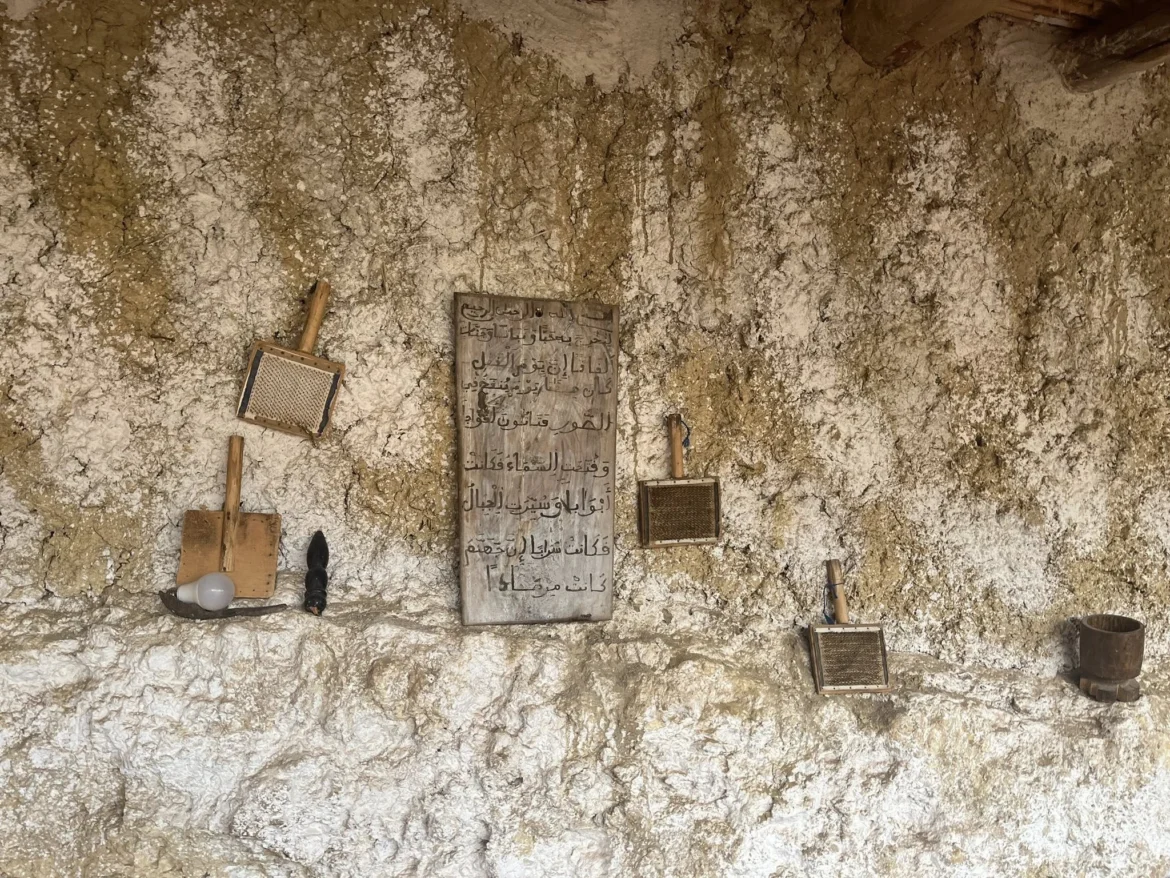
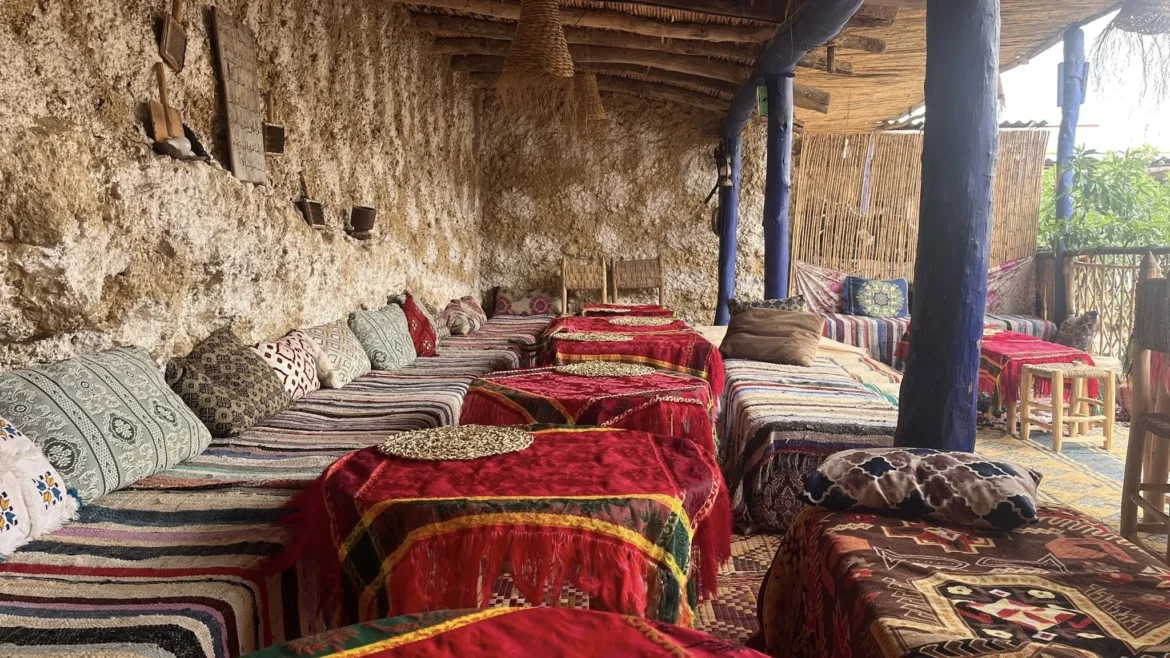
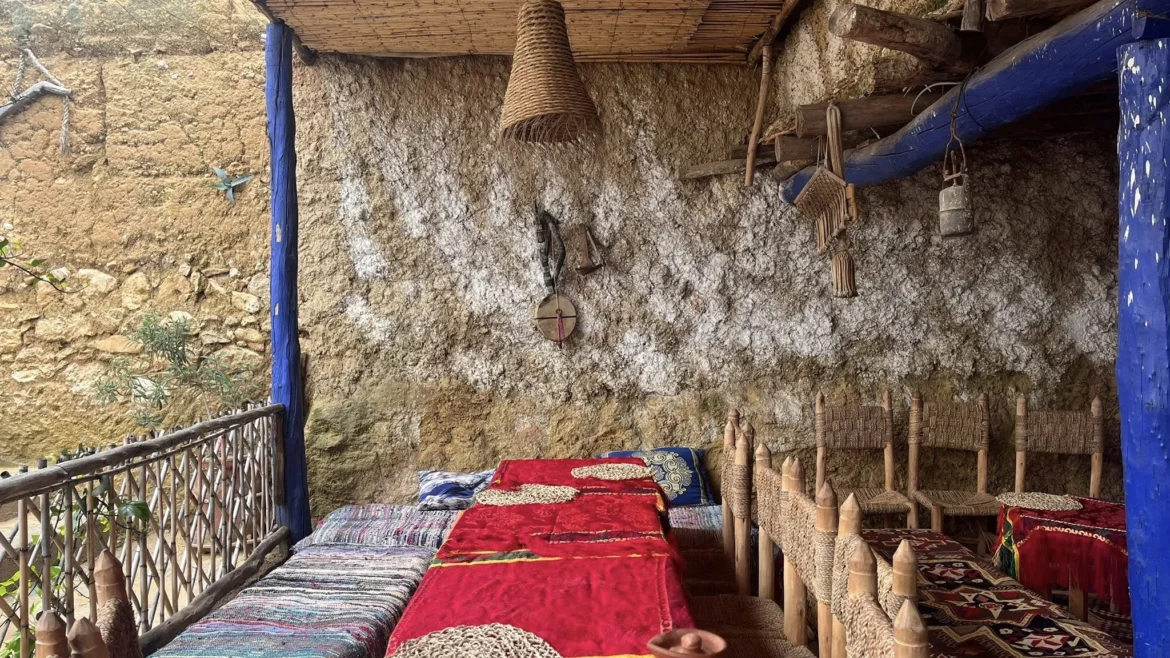
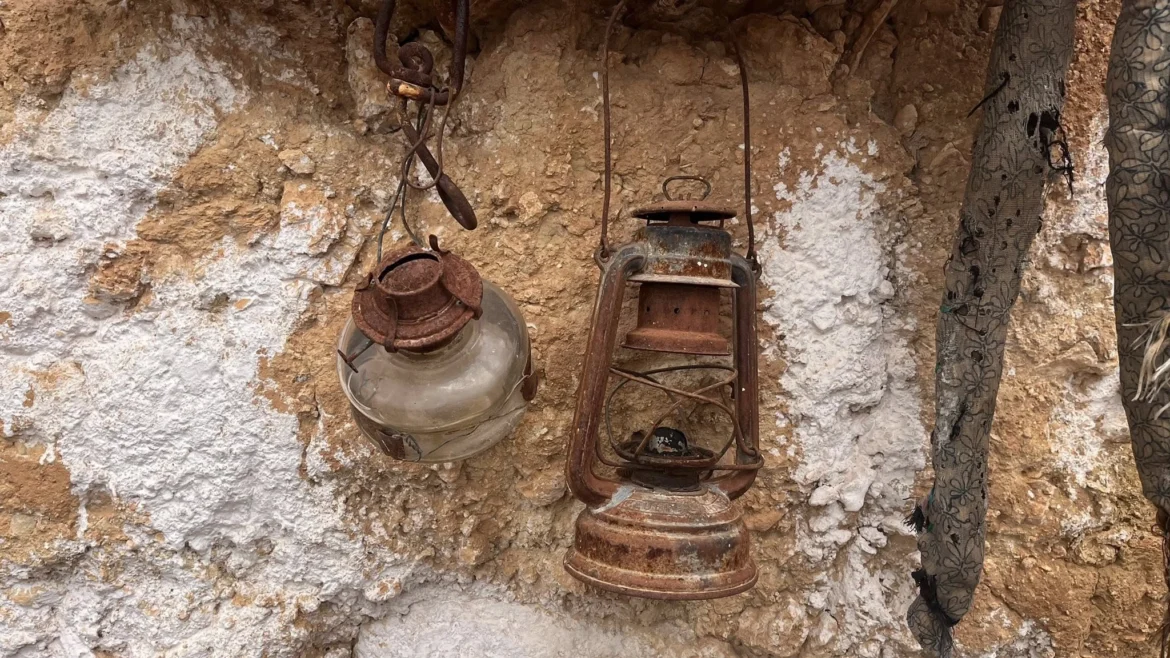
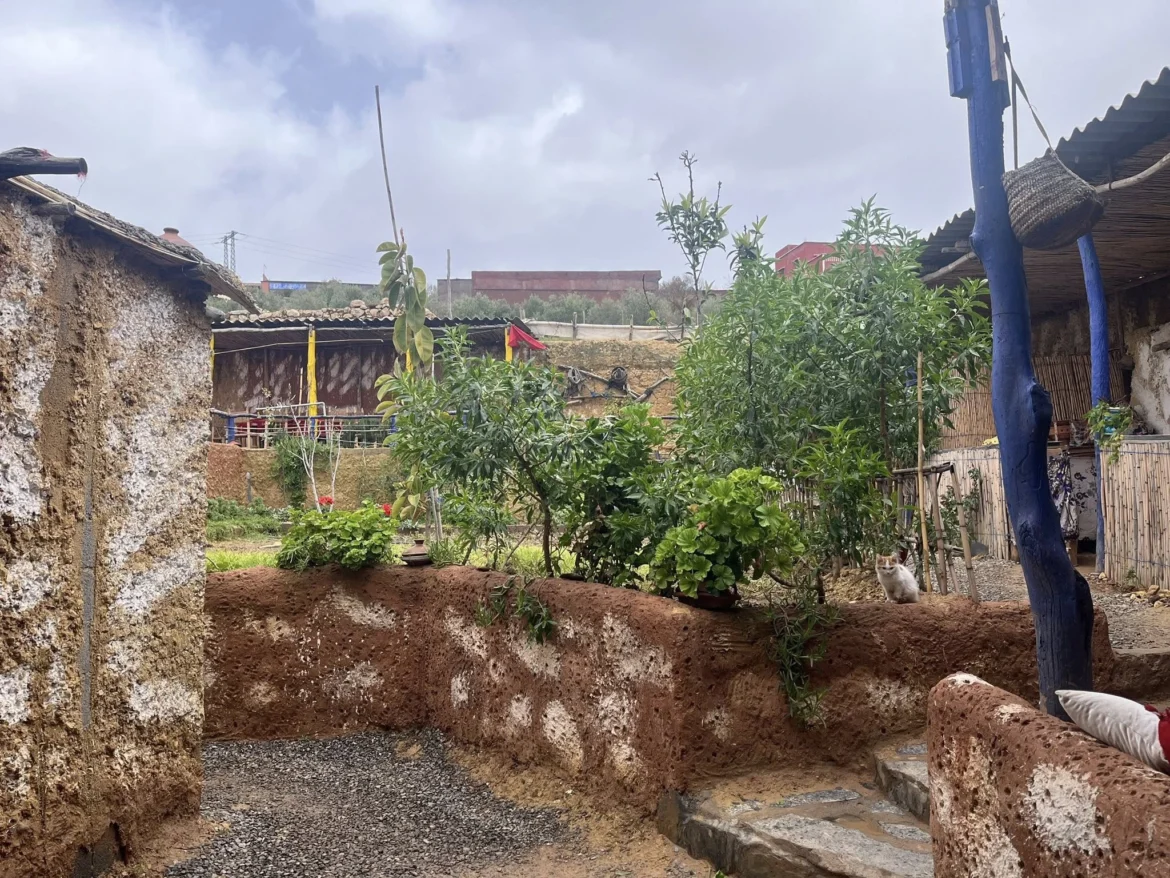
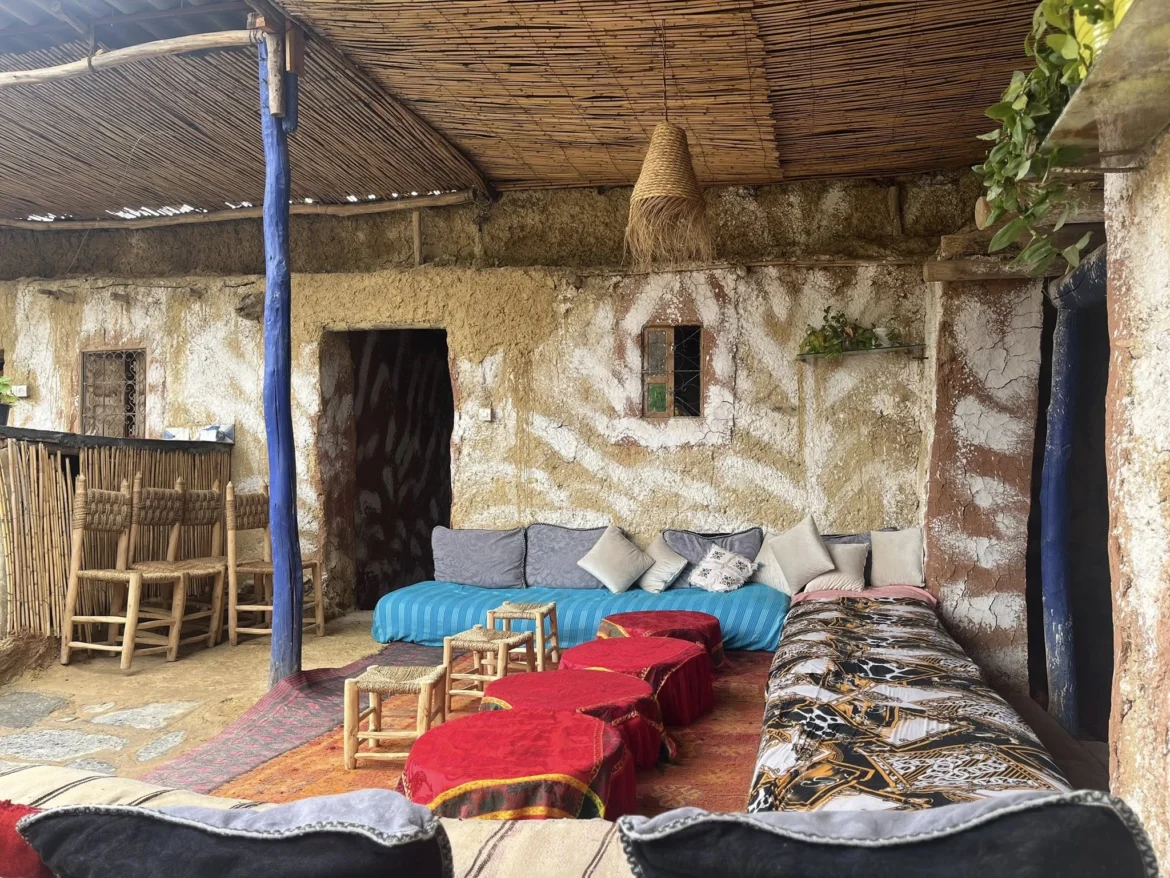
You arrive to low stone walls and the smell of woodsmoke. The building itself is traditional architecture — raw, earthy, alive. Inside, the seating is all floor-level cushions and handwoven textiles piled in deep reds, greens, and greys. Every pillow, every rug, every scrap of fabric was made locally. There is no ‘décor’ — it’s just how people live here.
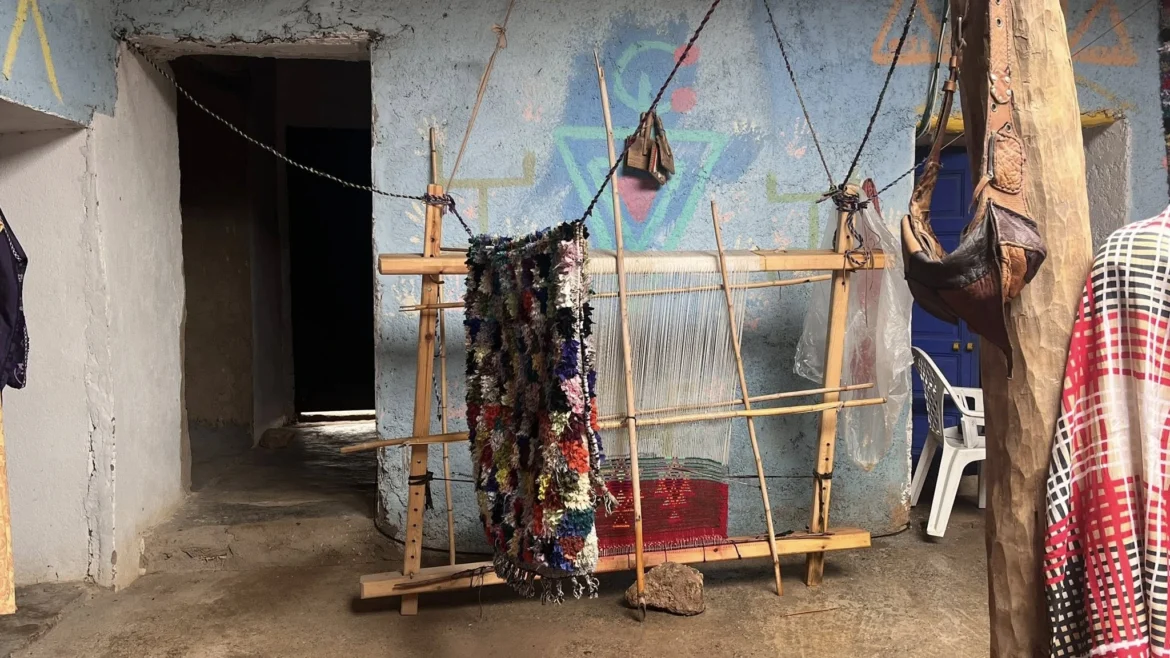
Out in the courtyard, a wooden loom stands in the sun. A carpet is mid-weave, bursting with colour — blue, orange, rust, cream. These aren’t mass-produced souvenirs. Each one takes weeks. The women working them learned from their mothers, who learned from theirs.
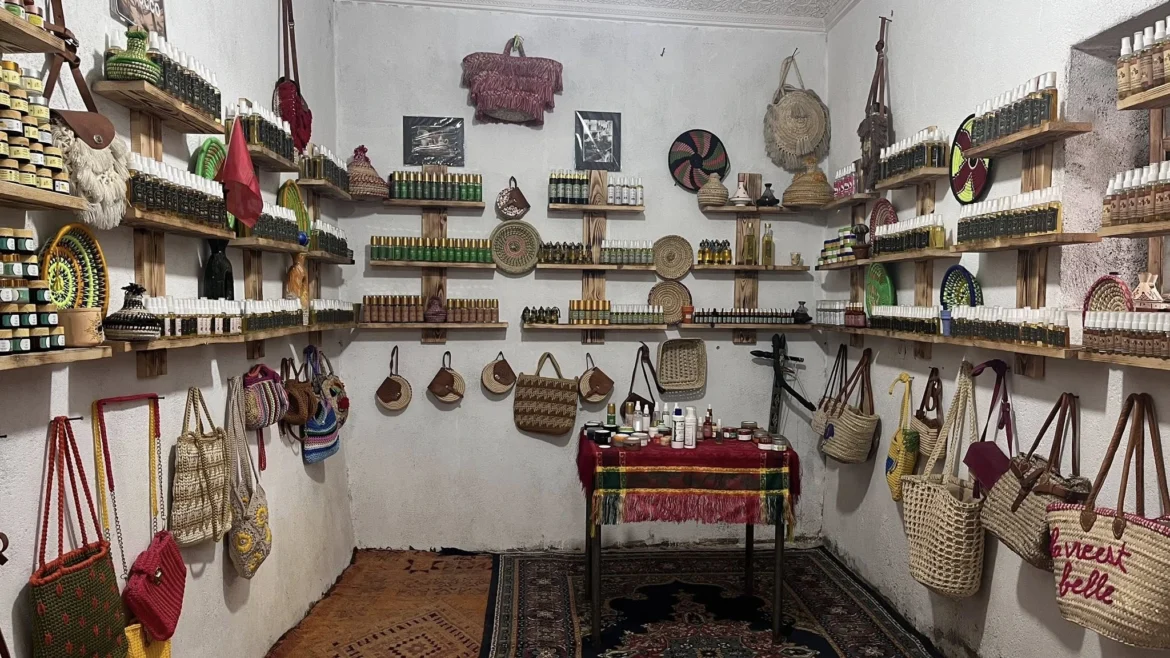
Inside the shop, three walls are lined floor to ceiling with argan oil — pure oil, cosmetic oil, culinary oil, mixed with honey, with spices, with rose water. Woven baskets and bags hang from hooks. The products here are certified and produced on-site. You’re not buying a branded bottle from a factory in Casablanca. You’re buying from the women who made it.
Then you sit down to eat. The table is low. The food arrives in waves — warm bread, olive oil, amlou (that addictive almond-argan paste), a tagine cooked slow over charcoal. Through the open side of the terrace, the Lalla Takerkoust dam stretches out wide and blue below you. The Atlas peaks rim the horizon. Nobody is rushing you.
This is what a Berber village tour Morocco can actually look like. Not a performance. Just people letting you into their world.
What’s Included in the Berber Cultural Immersion Experience
- Visit to the Wyzilen Women’s Cooperative in Ouzguita
- Welcome mint tea on arrival
- Guided tour of the argan oil production process — from raw nut to finished product
- Weaving demonstration on a traditional Amazigh loom
- Hands-on cooking participation (tagine or couscous — seasonal)
- Traditional Berber lunch with local produce
- Time to browse and buy directly from the cooperative (no pressure, fair prices)
- Transport from Amizmiz with Hassan as your guide and interpreter
- Context and storytelling on Amazigh history, language, and traditions throughout
This is a full half-day or full-day experience depending on the option you choose. Groups are kept small — maximum 6 people — so the visit stays intimate and meaningful.
Pricing
| Experience | Price (MAD) |
| Berber Cultural Immersion — solo | [850] MAD per person |
| Berber Cultural Immersion — group (2–6) | [700] MAD per person |
| Full-day with hiking + cultural visit — solo | [1050] MAD per person |
| Full-day with hiking + cultural visit — group (2–6) | [900] MAD per person |
Prices to be confirmed by Hassan. All experiences include transport from Amizmiz, guide fees, and lunch. Excludes personal purchases at the cooperative shop.
Practical Tips
- Best time to visit: Year-round, but spring (March–May) and autumn (September–November) are ideal. Summer mornings are fine; avoid peak afternoon heat in July–August.
- What to wear: Comfortable layers. Modest clothing is respectful in the village — shoulders and knees covered. Bring a light scarf.
- Where to meet: The experience starts in Amizmiz town centre. Hassan will confirm the exact meeting point when you book.
- How to book: Via visitamizmiz.com or DM on Instagram @visit_amizmiz. 48 hours’ notice preferred. Private and semi-private groups only — no large coach tours.
- Photography: Always ask before photographing people. The cooperative women are generally welcoming, but it’s their home — respect comes first.
- Allergies and dietary requirements: Let Hassan know when booking. The cooperative kitchen is flexible and the lunch can be adapted.
The Wyzilen cooperative isn’t a stop on a tour. It’s an invitation. When you sit on those cushions, eat that food, and watch someone weave with the patience of someone who has all the time in the world — something shifts.
You stop being a tourist. You start being a guest.
If you’ve been wondering how to actually connect with Amazigh culture in Morocco — not the postcard version, but the real one — this is it.
Have you visited a Berber cooperative before? What surprised you most? Drop a comment below, or come find us at @visit_amizmiz on Instagram. And if you want to include Wyzilen in a wider Morocco trip, check out our custom itinerary planning service at visitamizmiz.com — we’ll build something around what actually matters to you.